Well Construction: What a Dependable System Needs
A private well is not simply a hole in the ground with a pump attached. It is the water source your household, livestock, irrigation system, or farm operation may depend on every day. Good well construction determines whether that source stays dependable, protected from contamination, and capable of meeting demand for years to come.
For property owners in Brookhaven, Bogue Chitto, Wesson, and surrounding Mississippi communities, the details matter. Ground conditions can vary from one property to the next, and a well that works well for a neighbor may not be the right design for your home or agricultural operation. A properly planned system starts with the land, the water needs, and a drilling contractor who understands both.
What Well Construction Includes
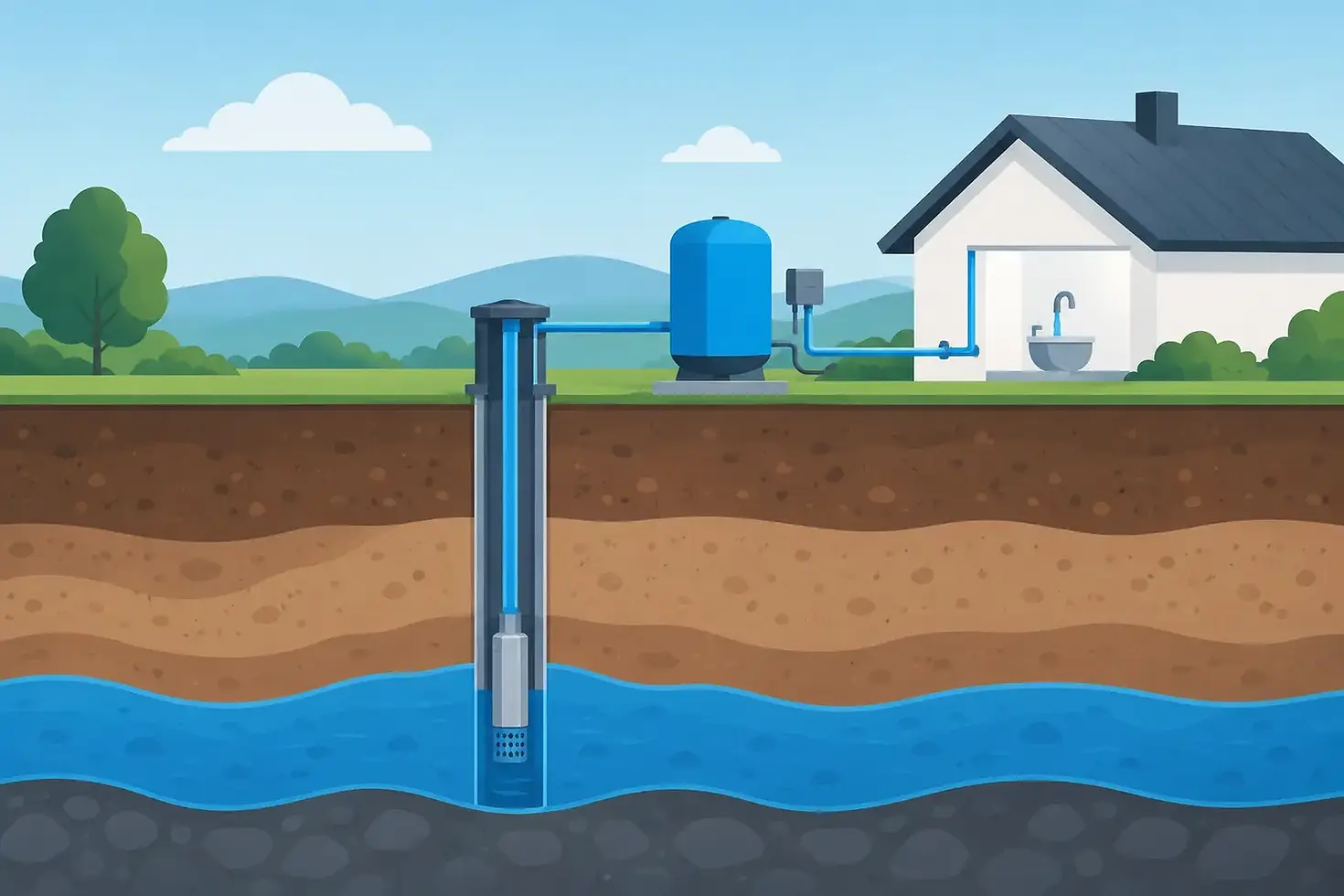
Well construction is the complete process of creating a usable, protected groundwater system. Drilling is a major part of the job, but it is only one part. The well must be designed, cased, sealed, developed, tested, and equipped so it can safely deliver water where and when it is needed.
The process begins with selecting an appropriate well location. A contractor considers access for drilling equipment, the lay of the land, potential contamination sources, drainage patterns, and the distance from septic systems, animal areas, fuel storage, or other concerns. A poor location can create problems before drilling ever begins.
After the site is selected, the driller advances the borehole to reach a water-bearing formation that can provide an adequate supply. Depth alone does not guarantee a better well. The goal is to reach a productive aquifer and build a system around it that suits the property’s actual water needs.
Drilling to the Right Water-Bearing Formation
Mississippi soils and subsurface conditions are not uniform. Sand, clay, gravel, and other formations may be encountered at different depths. Those conditions affect drilling methods, casing requirements, expected yield, and the overall approach to the job.
A residential well may need to support showers, laundry, appliances, and outdoor water use without pressure drops. A farm well may need greater capacity for livestock watering, washdown, irrigation, or multiple structures. Before equipment is selected, the contractor should understand the demand the system will need to meet.
It is also worth remembering that a well’s production rate and a home’s delivery rate are not exactly the same thing. The aquifer may provide water at one rate while the pump, pressure tank, plumbing, and storage capacity determine how water is delivered at the surface. Good planning accounts for the full system, not just the borehole.
Casing and Grouting Protect the Water Supply
Once the borehole is drilled, casing is installed to keep the well from collapsing and to isolate the water source from unwanted material near the surface. Casing creates a stable pathway from the groundwater formation to the pump and plumbing system.
The space around the casing is then sealed with grout where required. This step is critical. Proper grouting helps prevent surface water, bacteria, sediment, and other contaminants from traveling down along the outside of the casing and entering the well.
Skipping or mishandling this work can lead to water-quality concerns that are difficult and expensive to address later. A well can produce plenty of water and still be a poor system if the construction does not protect that water from the surface.
The Parts That Make a Well Work Every Day
After drilling and sealing, the well must be developed and equipped. Well development clears fine material and drilling debris from around the intake area so water can enter the well more efficiently. This supports better water flow and reduces the chance of ongoing sediment problems.
A pump is then selected based on the well’s depth, available yield, intended use, and plumbing layout. There is no one-size-fits-all pump. An undersized pump can struggle during periods of high use, while an improperly selected or installed pump can create unnecessary wear, wasted energy, or pressure problems.
The pressure tank and pressure controls also deserve attention. These components help the system maintain usable water pressure and reduce excessive pump cycling. When a pump turns on and off too frequently, its service life can suffer. A properly sized pressure system helps the entire setup operate more efficiently.
For many properties, water treatment is part of the final design. Groundwater can contain minerals, iron, sulfur odors, sediment, hardness, or other issues that affect taste, appliances, fixtures, and daily use. Filtration should be based on water testing and the actual condition of the water, not guesswork.
Planning for Homes, Farms, and Rural Properties
The right well design depends on how the property uses water. A family home with two bathrooms has different needs than a cattle operation, a workshop with plumbing, or a property with several residences. Future plans matter as well. If a landowner expects to add a home, barn, irrigation line, or additional livestock, it is wise to discuss that before construction begins.
For residential customers, reliability and water quality are often the main concerns. The well should provide consistent pressure for normal household use while being located and sealed to protect the drinking-water supply. Homeowners should also understand where the wellhead is located and keep it accessible for future service.
For agricultural customers, dependable volume can be just as important as quality. Livestock cannot wait for a failing pump, and water interruptions can quickly affect daily work. Agricultural well construction may call for larger pumping equipment, storage options, or separate planning for irrigation and animal watering. The best approach depends on the available groundwater, the required flow, and the operation’s daily schedule.
Avoiding Common Problems Before They Start
Many well problems are easier to prevent during installation than to correct after the fact. The wellhead should be protected from physical damage and kept clear of standing water. It should not be buried, covered with dirt, or surrounded by materials that make service difficult.
Property owners should avoid storing chemicals, fuel, pesticides, or waste near the well. Septic systems and animal areas should be kept at appropriate distances. Surface water should drain away from the wellhead rather than pooling around it.
Records are also valuable. Keep information about the well depth, casing, pump, service work, water tests, and filtration equipment. If a future repair is needed, those details give the service technician a clearer starting point and may save time diagnosing the problem.
Why Certified Installation Matters
A water well is essential infrastructure. It deserves the same care a property owner would expect for electrical work, septic installation, or a structural foundation. The lowest initial price is not always the best value if it leaves questions about construction quality, equipment selection, or protection from contamination.
A qualified, insured contractor brings the equipment and field experience needed to evaluate the site, drill safely, install the proper components, and explain what the finished system requires. That expertise is especially valuable when conditions are challenging or the property has a higher-demand agricultural use.
Deep South Well Drilling & Service approaches each project as a complete water system, not just a drilling job. From site planning and installation to repairs and water filtration, the goal is a dependable source of clean water that fits the property it serves.
Care After Construction Protects Your Investment
Even a properly built well needs attention over time. Watch for changes in water pressure, unusual pump cycling, new sediment, changes in taste or odor, or a noticeable drop in water production. These signs do not always mean the well itself has failed, but they should be checked before a minor issue becomes a major interruption.
Periodic water testing is a practical part of owning a private well, particularly after flooding, nearby construction, repairs, or any unexpected change in the water. Testing gives property owners facts to work from and helps determine whether filtration or treatment needs to be adjusted.
A well built with sound planning, proper sealing, and correctly matched equipment can serve a property for many years. The best time to protect that investment is before the drill rig arrives: choose an experienced contractor, discuss how you use water, and build for the needs you have now as well as the ones you expect down the road.


Comments