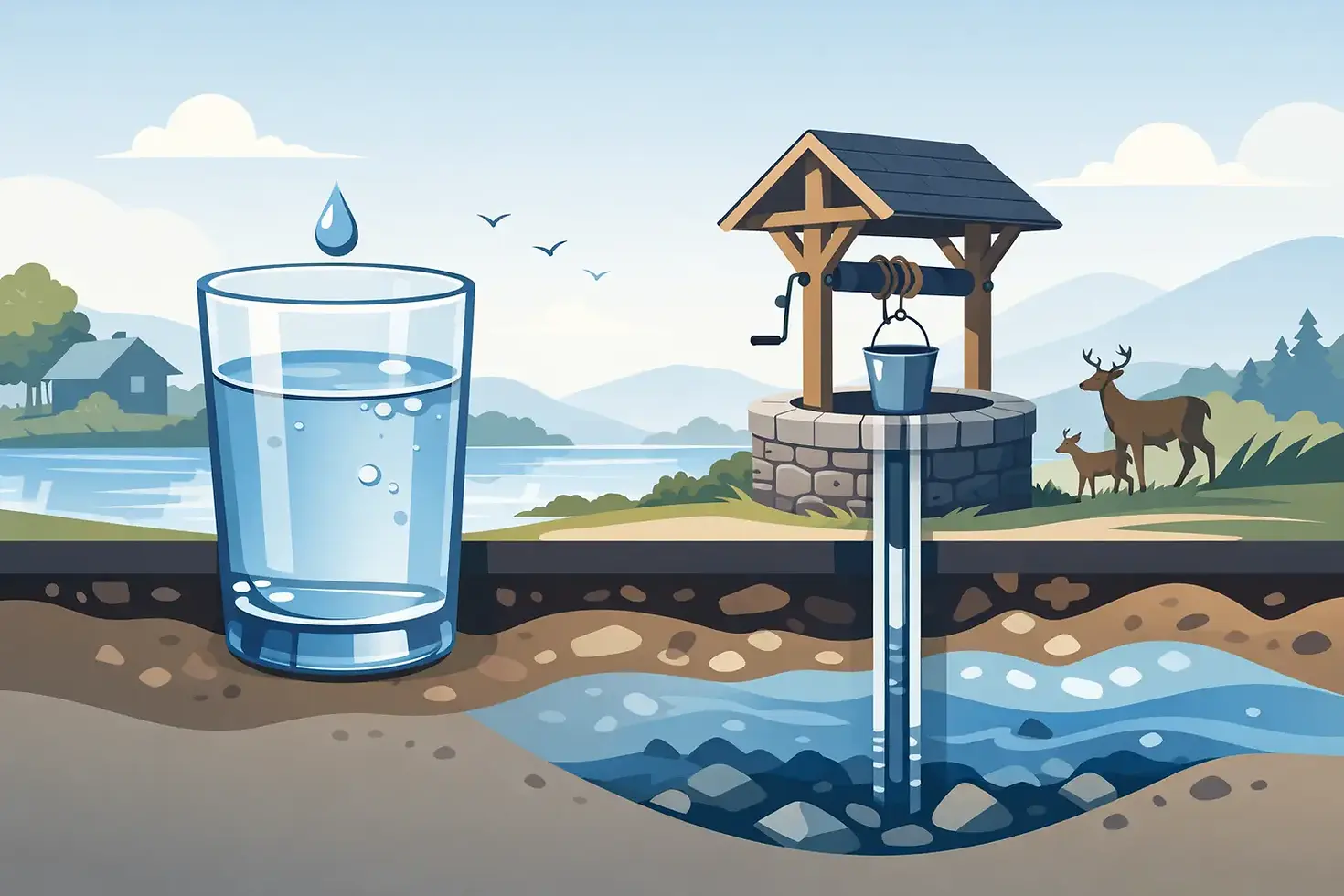
Can You Drink Untreated Well Water?
- Brian Emory
- 7 days ago
- 6 min read
A well can produce water that looks clear, tastes fine, and still carry problems you cannot see. If you are asking, can you drink untreated well water, the honest answer is maybe - but not safely on assumption alone. The only responsible way to know is to test the water, understand the condition of the well, and look at the land around it.
That matters in places like Brookhaven and across rural Mississippi, where many homes and agricultural properties depend on private wells every day. A private well gives you independence, but it also puts water quality responsibility on the property owner. There is no city utility testing that water for you on a routine schedule.
Can you drink untreated well water if it looks clean?
Not necessarily. Clear water is not the same thing as safe water. Some of the most common well water concerns have no color, no strong taste, and no smell.
Bacteria, nitrates, and certain dissolved minerals can be present even when the water seems perfectly normal. On the other hand, water with iron or sulfur may have a noticeable taste or odor but not pose the same immediate health risk as bacterial contamination. That is why appearance is a poor safety test.
Untreated well water can be drinkable in some cases, especially from a properly drilled, properly sealed, well-maintained system drawing from a clean aquifer. But that does not mean every untreated well is safe by default. Ground conditions, well construction, nearby septic systems, livestock activity, surface runoff, flooding, and the age of the well all make a difference.
What makes untreated well water unsafe?
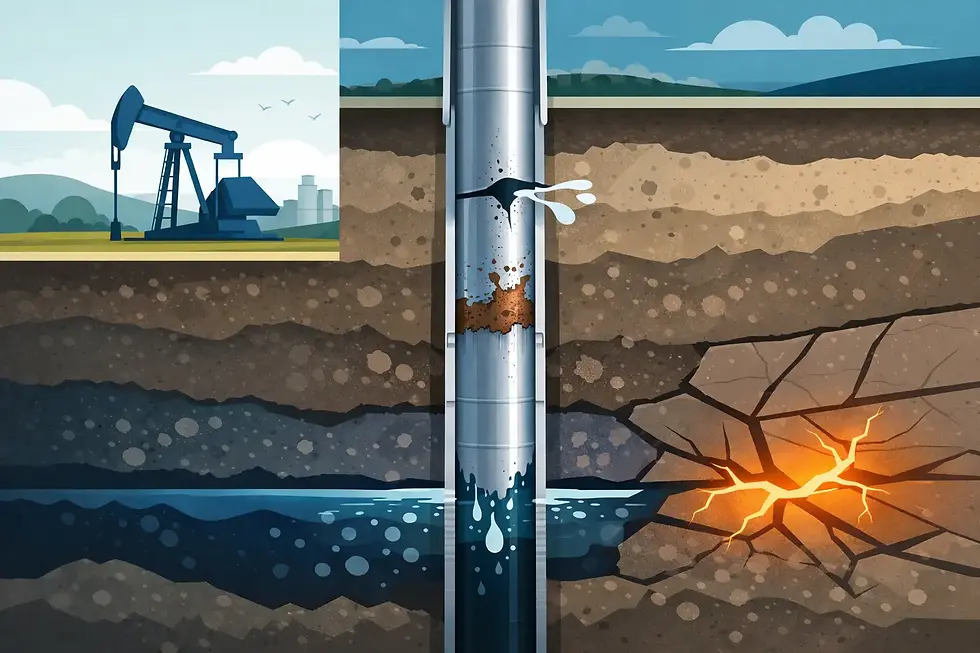
The biggest issue is contamination pathways. A well is supposed to pull water from below ground while keeping surface contaminants out. If the casing is damaged, the cap is loose, the seal is compromised, or drainage around the wellhead is poor, contaminants can enter the system.
Bacteria is one of the top concerns, especially coliform bacteria and E. coli. Their presence may indicate that surface water or waste is getting into the well. This can happen after heavy rains, flooding, or problems with the well structure.
Nitrates are another concern, particularly in agricultural areas or near septic systems. High nitrate levels can be dangerous, especially for infants. Pesticides and other chemicals may also be a factor depending on land use nearby, though that varies widely by property.
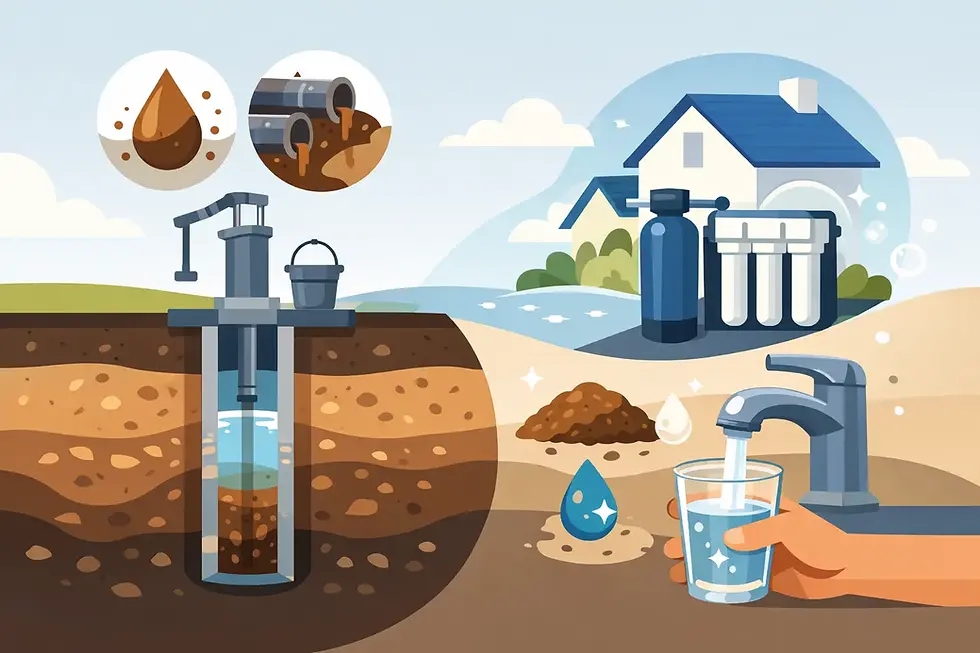
Then there are naturally occurring minerals and elements. Iron, manganese, sulfur, hardness, and even arsenic in some regions can come from the aquifer itself. These are not all the same kind of problem. Some affect taste, staining, and plumbing performance more than health. Others can raise real long-term safety concerns.
When untreated well water may be drinkable
Some private wells produce water that tests clean and remains stable over time with no additional treatment beyond routine monitoring. That is more likely when the well was drilled correctly, installed to code, protected from runoff, and maintained consistently.
Depth matters, but deeper is not automatically better in every case. Local geology determines a lot. So does proper well placement. A well located too close to septic components, animal areas, or drainage problems has a higher chance of trouble regardless of depth.
If untreated well water is going to be used for drinking, it should be because testing has shown it is safe, not because previous owners drank it for years without obvious problems. Water conditions can change. Wells age. Surrounding land use changes too.
How to know if you can drink untreated well water
Testing is the deciding factor. If you want a real answer, start with a certified water test and a professional look at the well itself.
At a minimum, many homeowners test for total coliform bacteria, E. coli, nitrates, pH, hardness, iron, manganese, and total dissolved solids. Depending on the property and local history, additional testing may be wise for sulfur, lead, arsenic, or other contaminants. The right panel depends on where the well is, how old it is, and what is happening on the surrounding land.
A one-time clean result is helpful, but it is not a lifetime guarantee. Private wells should be tested regularly, and especially after flooding, storm damage, repairs, a change in taste or odor, or any period when the water becomes cloudy or discolored.
A well inspection matters too. Water quality is tied to well condition. A certified contractor can look for issues like a cracked casing, missing sanitary seal, damaged cap, poor grading, exposed components, or signs that surface water is entering the well. In many cases, the problem is not the aquifer itself but the path contaminants take into the system.
Signs your well water should not be consumed untreated
Some warning signs are obvious, and some are easy to dismiss until they get worse. If the water smells like rotten eggs, turns reddish or brown, leaves black staining, tastes metallic, or suddenly becomes cloudy, that is a sign to stop guessing and start testing.
A change after heavy rain is another red flag. If your water quality shifts when the weather changes, surface influence may be getting into the well. That can point to a construction or sealing issue.
Health symptoms can be harder to connect, but repeated stomach issues in a household should never be ignored if the home relies on private well water. It does not prove the water is the cause, but it is reason enough to test right away.
Even if there are no visible signs, older wells deserve extra caution. Age alone does not make a well unsafe, but worn components and outdated construction standards can increase the risk.
Treatment depends on the problem
There is no single filter that fixes every water issue. That is where many property owners waste time and money. The right treatment system depends on what the test results show.
If bacteria is the issue, disinfection may be needed, along with correction of whatever allowed contamination into the well. If iron or manganese is causing staining and taste issues, filtration or oxidation systems may be the better fit. If hardness is the problem, a softener can help protect plumbing and improve everyday use. If nitrates or certain dissolved contaminants are present, more specialized treatment may be required.
That is why testing should come before equipment decisions. Good treatment starts with knowing what is actually in the water.
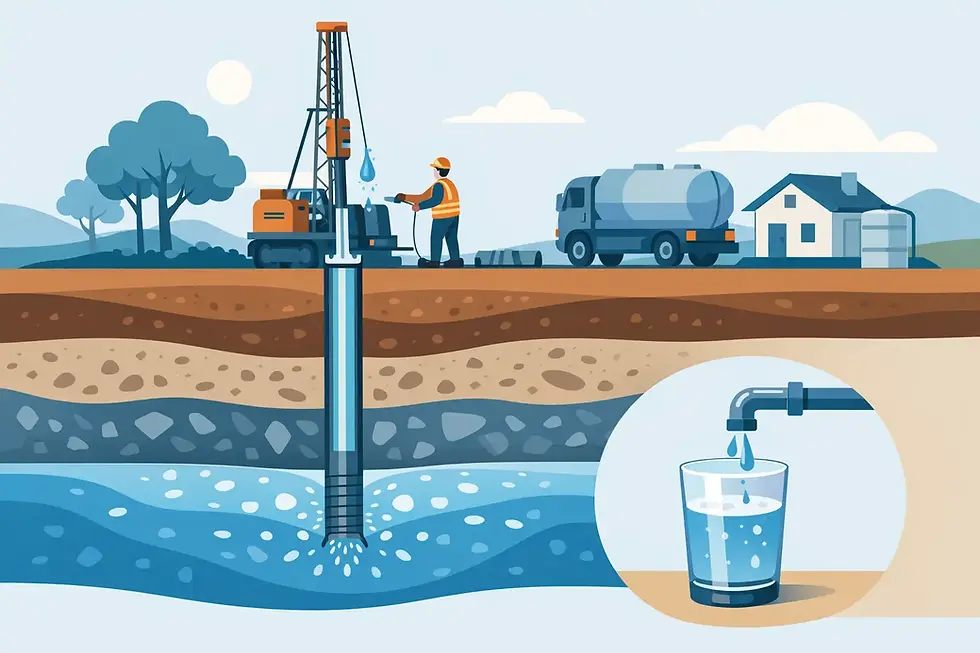
For many homeowners, the best setup is not just a filter under the sink. It is a complete approach that includes well inspection, water testing, any needed repair, and filtration matched to the property. Deep South Well Drilling & Service works with property owners who need that kind of practical, end-to-end solution.
Can you drink untreated well water on a new property?
You should not assume it is safe just because the home has an operating well. A property sale does not tell you whether the well was maintained properly, whether the water was tested recently, or whether nearby conditions have changed.
Before using untreated well water for drinking at a newly purchased property, get the water tested and have the system inspected. This is especially important if the home has sat vacant, the well is older, or the area has had recent flooding or drainage problems.
The same goes for hunting land, new house sites, farm properties, and mobile home setups. If a well is going to supply drinking water, it needs more than a quick taste test from the faucet.
The practical answer for Mississippi property owners
So, can you drink untreated well water? Yes, sometimes. But safe well water is not about luck, and it is not something to assume from appearance alone.
If the well is properly drilled, properly protected, and the water has been tested with good results, untreated well water may be suitable for drinking. If the system is old, untested, affected by runoff, or showing any change in quality, drinking it untreated is a risk you do not need to take.
Private wells are one of the best long-term water solutions for rural homes, farms, and ranches when they are installed and maintained the right way. The smartest move is simple: trust the test, pay attention to the condition of the well, and fix small issues before they become water quality problems.
Clean water is too important to leave to guesswork.
Comments