
Hard Water From Well Solutions That Work
- Brian Emory
- Jun 25
- 5 min read
If your dishes keep coming out cloudy, your water heater seems to work harder than it should, or you are seeing white buildup on faucets and livestock waterers, hard water is likely part of the problem. Hard water from well solutions are not one-size-fits-all, especially in Mississippi where groundwater conditions, household demand, and well system design can vary from one property to the next.
For rural homes and agricultural properties, hard water is more than a nuisance. It can shorten the life of pumps, pressure tanks, water heaters, fixtures, and appliances. It can also make soap harder to rinse, leave laundry feeling stiff, and create mineral scale inside plumbing where you cannot see it. The good news is that hard water can usually be managed well once the source of the problem is properly identified.
What hard water means in a well system
Hard water contains elevated levels of dissolved minerals, mainly calcium and magnesium. Those minerals are picked up naturally as groundwater moves through soil and rock before it reaches your well. Because this comes from the geology around the water source, hard water is common in private wells and is not necessarily a sign that the well was poorly drilled or that the water is unsafe.
That said, not all hard water behaves the same way. Some wells produce moderately hard water that mostly causes spotting and minor scale. Others produce water hard enough to create heavy mineral deposits in plumbing and treatment equipment. A proper fix depends on how hard the water is, what other minerals are present, and whether the property is using water for a household, livestock, irrigation support, or all three.
Signs you need hard water from well solutions
Most property owners notice the symptoms before they know the cause. Scale on showerheads, crust around faucets, dull glassware, and reduced water heater efficiency are common warning signs. You may also notice soap not lidding well, dry skin after bathing, or buildup inside coffee makers and washing machines.
On farms and rural properties, the signs can show up in equipment too. Mineral scale can collect in supply lines, valves, trough fills, and washdown equipment. If hard water is left alone for too long, it can raise maintenance costs in ways that seem unrelated until the whole water system is evaluated.
Why testing comes before treatment
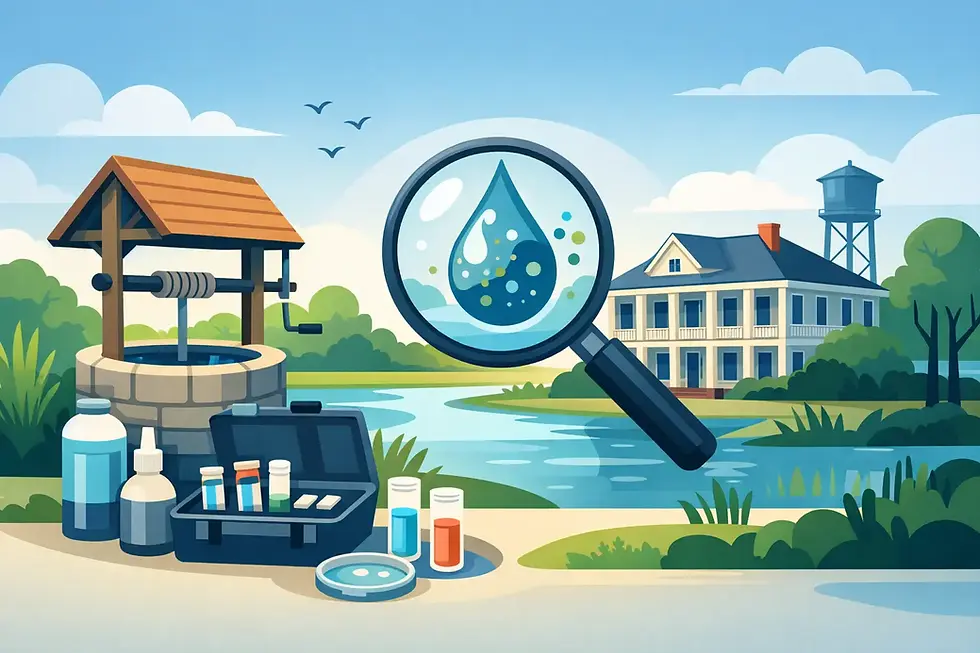
Before choosing any equipment, the water needs to be tested. That matters because hardness often comes with other water quality issues such as iron, manganese, sulfur, low pH, or sediment. If you install the wrong treatment setup, or install the right equipment in the wrong order, the system may underperform or wear out early.
A good water test helps answer a few important questions. How hard is the water? Are iron or manganese contributing to staining and scale? Is sediment entering the system from the well? Is the water chemistry likely to foul softening equipment? Those answers shape the right solution.
This is one reason experienced local service matters. A contractor who understands well systems and groundwater conditions in the Brookhaven area can often spot whether the issue is just hardness or part of a larger water system problem.
The most common fix: water softeners
For many homes, a water softener is the standard answer to hard water. A softener works by exchanging calcium and magnesium ions with sodium or potassium, which reduces scale formation and improves how water performs in the home. When the system is sized correctly, it can make a noticeable difference in bathing, laundry, appliance life, and plumbing maintenance.
But a softener is not just a box you add to the line and forget about. Sizing matters. A system that is too small will regenerate too often and struggle to keep up. One that is too large can be inefficient for the household's actual water use. The number of people in the home, the hardness level, fixture count, and peak demand all need to be considered.
There are trade-offs too. Softened water adds a small amount of sodium unless a potassium-based setup is used. Some homeowners prefer to keep one unsoftened cold-water line at the kitchen sink for drinking and cooking. That kind of detail should be planned into the installation rather than treated as an afterthought.
When a softener alone is not enough
Some wells need more than a basic softener. If iron is present along with hardness, the iron may need to be addressed first or with a system designed to handle both. If sediment is entering from the well, a pre-filter may be needed to protect downstream treatment equipment. If sulfur is causing odor, that requires a different approach than hardness alone.
This is where many off-the-shelf solutions fall short. A property owner may install a softener expecting clean results, only to find that staining, odor, or poor flow continues. The issue is not always the equipment itself. Often, it is that the water was not fully diagnosed before treatment was chosen.
In some cases, the well system also needs inspection. Pressure issues, old piping, failing components, or an improperly configured filtration setup can all affect performance. Hard water treatment works best when the entire well system is functioning the way it should.
Choosing hard water from well solutions for homes and farms
The right setup depends on how the water is being used. A single-family home has different treatment priorities than a property with barns, livestock stations, equipment wash areas, and multiple structures on one well. Treating all water on the property may not always be necessary or cost-effective.
For example, a homeowner may want full-house softening to protect plumbing and improve bathing and cleaning. A farm operation may decide to treat the house line while using separate strategies for outbuildings or high-volume agricultural use. In other situations, the best answer is staged treatment - sediment control first, then iron reduction, then softening where it matters most.
That is why a practical plan beats a generic one. The goal is not just to install equipment. The goal is to improve water quality, protect infrastructure, and keep the system dependable for daily use.
Installation quality matters more than many people realize
Even good treatment equipment can disappoint if it is installed poorly. Bypass valves, drain routing, line sizing, pre-filtration, and placement within the well system all affect how well the treatment performs over time. A rushed installation can lead to low pressure, maintenance headaches, or untreated water slipping past the system.
On well water, the treatment setup also needs to work with the pump and pressure tank arrangement already in place. That means looking at the whole system, not just the treatment unit. Certified, insured well professionals bring value here because they understand both water quality treatment and the mechanical side of private water systems.
Deep South Well Drilling & Service works with the kinds of residential and agricultural well systems that property owners in this part of Mississippi rely on every day. That local experience matters when the water problem is affecting your home, your equipment, or both.
Ongoing maintenance keeps the fix working
Hard water treatment is not a set-it-and-forget-it job forever. Softeners need salt or other media support, settings may need adjustment, and filters need to be replaced on schedule. Water chemistry can also shift over time, especially if the well, pump, or surrounding conditions change.
Routine maintenance helps the system keep doing its job. It also gives you a chance to catch issues early, before scale starts building again or treatment performance drops off. If you notice spotting returning, soap performance getting worse, or mineral deposits showing up after treatment was installed, it is worth having the system checked.
A dependable water system should make life easier, not create one more thing to worry about. When hard water is diagnosed correctly and treated with the right equipment, you protect your plumbing, reduce wear on appliances, and get more consistent water quality where it counts.
If your well water is leaving mineral buildup behind, the next smart step is not guessing. It is getting clear answers about what is in the water and choosing a treatment plan that fits the way your property actually uses it.


Comments