Iron Bacteria Well Treatment That Works
If your well water smells off, leaves reddish-brown stains, or builds up slimy material in the toilet tank or filter housing, iron bacteria may be the problem. Iron bacteria well treatment is not just about improving water taste or appearance. It is about protecting flow, reducing recurring buildup, and keeping your well system working the way it should.
For many property owners in Mississippi, this issue starts small. Water may look clear at first, then show staining in sinks, tubs, livestock troughs, or irrigation components. Pumps can work harder. Filters clog sooner. The trouble is that iron bacteria are persistent. If the source is in the well or plumbing, quick fixes inside the house usually do not solve the full problem.
What iron bacteria are actually doing in a well
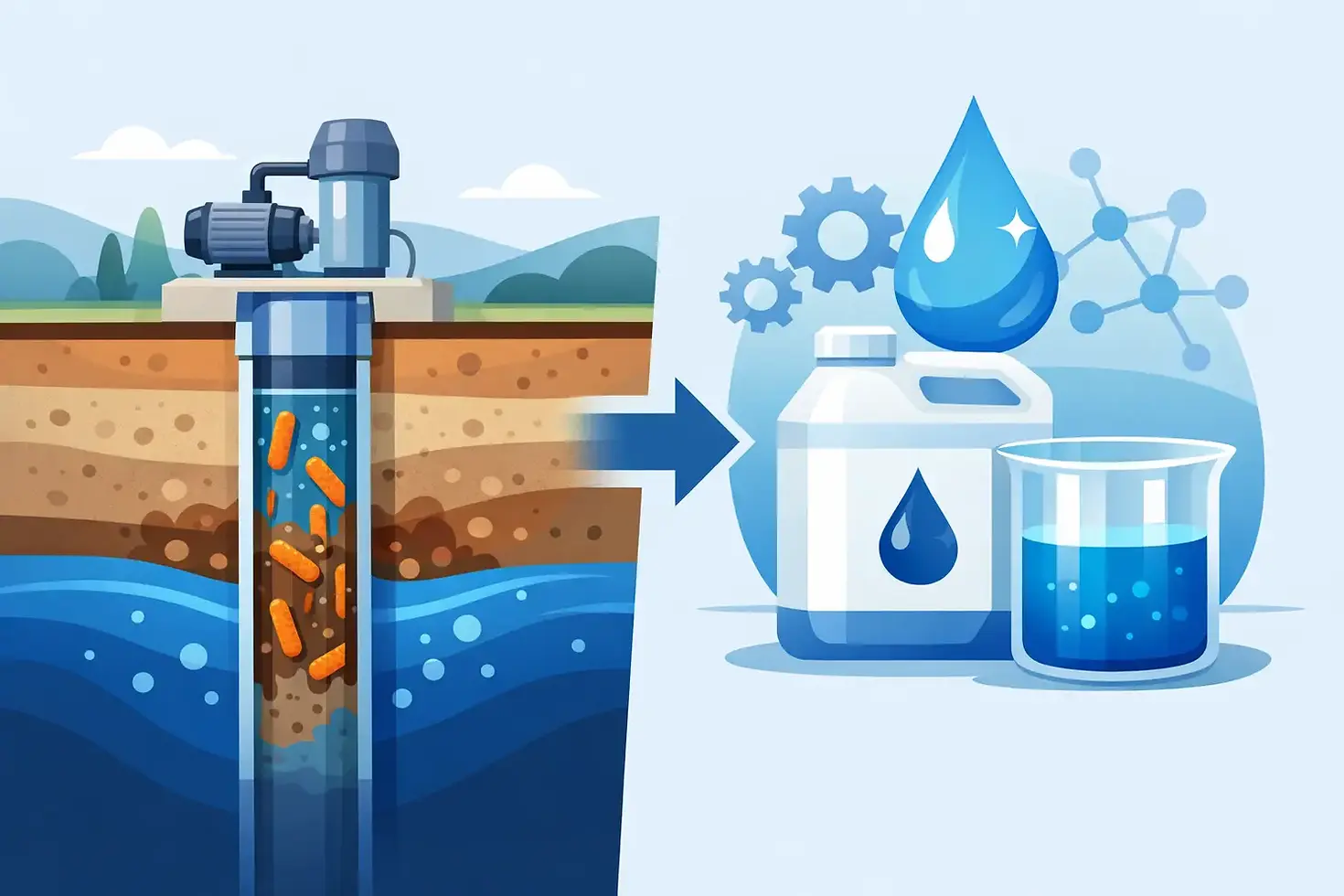
Iron bacteria are living organisms that feed on iron and sometimes manganese in water. They do not usually make people sick, but they can create serious nuisance problems. As they grow, they form slime deposits that cling to well casings, pumps, drop pipe, pressure tanks, and plumbing lines.
That slime can trap other minerals and sediment, which makes the buildup worse over time. In a residential well, this often shows up as rusty staining, swampy or oily odors, and reduced water pressure. On agricultural properties, it can also interfere with watering systems, clog smaller lines, and shorten the service life of filters and equipment.
One reason this problem gets misdiagnosed is that dissolved iron and iron bacteria are not the same thing. A well can have high iron without bacterial slime, and it can also have active iron bacteria growth that keeps coming back even after standard filtration changes. Treatment depends on which problem you actually have.
Signs you may need iron bacteria well treatment
The most common warning sign is a slimy film that feels slick or gelatin-like. It may appear orange, brown, red, or even gray. You might notice it around fixtures, inside toilet tanks, in filter canisters, or on the edges of standing water.
Odor is another clue. Many people describe it as musty, swampy, or similar to decaying vegetation. In some wells, the smell is stronger after the water sits in plumbing for a while. If your water also has sulfur issues, those odors can overlap, which is why proper diagnosis matters.
Flow problems can also point to bacterial buildup. When slime starts collecting in the well screen, pump components, or water lines, the system loses efficiency. That may mean lower pressure, uneven flow, or repeated clogging in treatment equipment. If you have already replaced filters and the problem keeps returning, the contamination may be deeper in the system.
Why surface-level fixes usually fall short
It is tempting to focus on what you can see - a stained sink, a clogged cartridge, a bad smell at one faucet. But iron bacteria usually establish themselves throughout the water system. Cleaning one fixture or swapping one filter may improve things for a few days, then the symptoms return.
That is why iron bacteria well treatment has to address the well itself, not just the water after it enters the home. If slime is coating the casing, pump, or plumbing, treatment needs to break up deposits and disinfect the affected areas thoroughly enough to reduce regrowth.
There is a trade-off here. Some treatment methods are inexpensive but temporary. Others are more involved and cost more up front, but they do a better job restoring performance. The right approach depends on how severe the buildup is, how long it has been active, and whether your water has other issues like sulfur, sediment, or manganese.
The most effective treatment options
In many cases, the first step is a strong chemical disinfection of the well and water system. This is often called shock chlorination. Done correctly, it can kill bacteria, loosen slime, and sanitize the well, pressure tank, and plumbing. But timing, concentration, and contact time matter. If the treatment is too weak or rushed, it may reduce odor for a short period without removing the root problem.
For wells with heavier buildup, disinfection alone may not be enough. Mechanical cleaning or surge methods may be needed to break up slime and mineral deposits attached to well components. In some systems, the pump may need inspection if buildup has affected performance or caused recurring service issues.
After the well is treated, water filtration or oxidation equipment may still be necessary if the source water contains ongoing iron or manganese. This is where many property owners get frustrated. They think the treatment failed when staining returns months later. In reality, the bacteria may be under control while naturally occurring iron in the water still needs filtration.
That is why a good service plan separates two questions. First, is there active biological contamination in the well? Second, what minerals remain in the water after the bacterial issue is treated?
When recurring treatment points to a bigger problem
If you have treated a well more than once and symptoms keep coming back fast, there may be a structural or maintenance issue helping the bacteria return. A damaged well cap, poor surface sealing, standing water around the casing, or neglected components can create conditions that support contamination.
Older wells are especially vulnerable. Over time, mineral scaling, worn parts, and gaps in protection can make it easier for bacteria to take hold. In those cases, treating the symptoms without inspecting the system is rarely the best long-term answer.
This is where experienced well service matters. A certified contractor can look beyond the staining and odor and evaluate whether the well construction, pump condition, or system layout is contributing to the problem. For landowners who depend on a private well every day, that kind of diagnosis saves time and repeat expense.
Iron bacteria well treatment for homes and farms
Residential wells and agricultural wells do not always respond the same way. A home with moderate water use may show the problem through odor and bathroom staining first. A farm or ranch may notice the impact in livestock waterers, irrigation equipment, or line restrictions that affect daily operations.
Higher-demand systems often need a more complete review because bacteria buildup can spread through more piping and more equipment. If a property uses well water for both household and agricultural needs, treatment has to account for the full system. Otherwise, one untreated area can keep reintroducing problems.
That is one reason local experience matters in Mississippi. Soil conditions, groundwater chemistry, and system layouts vary from property to property. A treatment plan that worked on one well may not be the right answer for another a few miles away.
What to do if you suspect iron bacteria
Start by paying attention to patterns. Notice whether the smell is stronger at certain fixtures, whether staining is increasing, and whether pressure or flow has changed. If you can safely inspect the inside of a toilet tank or filter housing, look for slimy deposits rather than just rust-colored residue.
Do not assume every iron problem is iron bacteria, and do not assume a water softener or basic filter will fix bacterial slime inside a well. Those systems can help with some water quality issues, but they are not a substitute for proper well treatment.
If the signs point to contamination in the well itself, have the system evaluated by a qualified well contractor. A company like Deep South Well Drilling & Service can assess the condition of the well, recommend the right treatment method, and help determine whether follow-up filtration or maintenance is needed to keep the water clean and dependable.
Clean water from a private well should not be a guessing game. When iron bacteria show up, the right treatment does more than clear stains - it helps protect the system your home, land, or operation depends on every day.


Comments