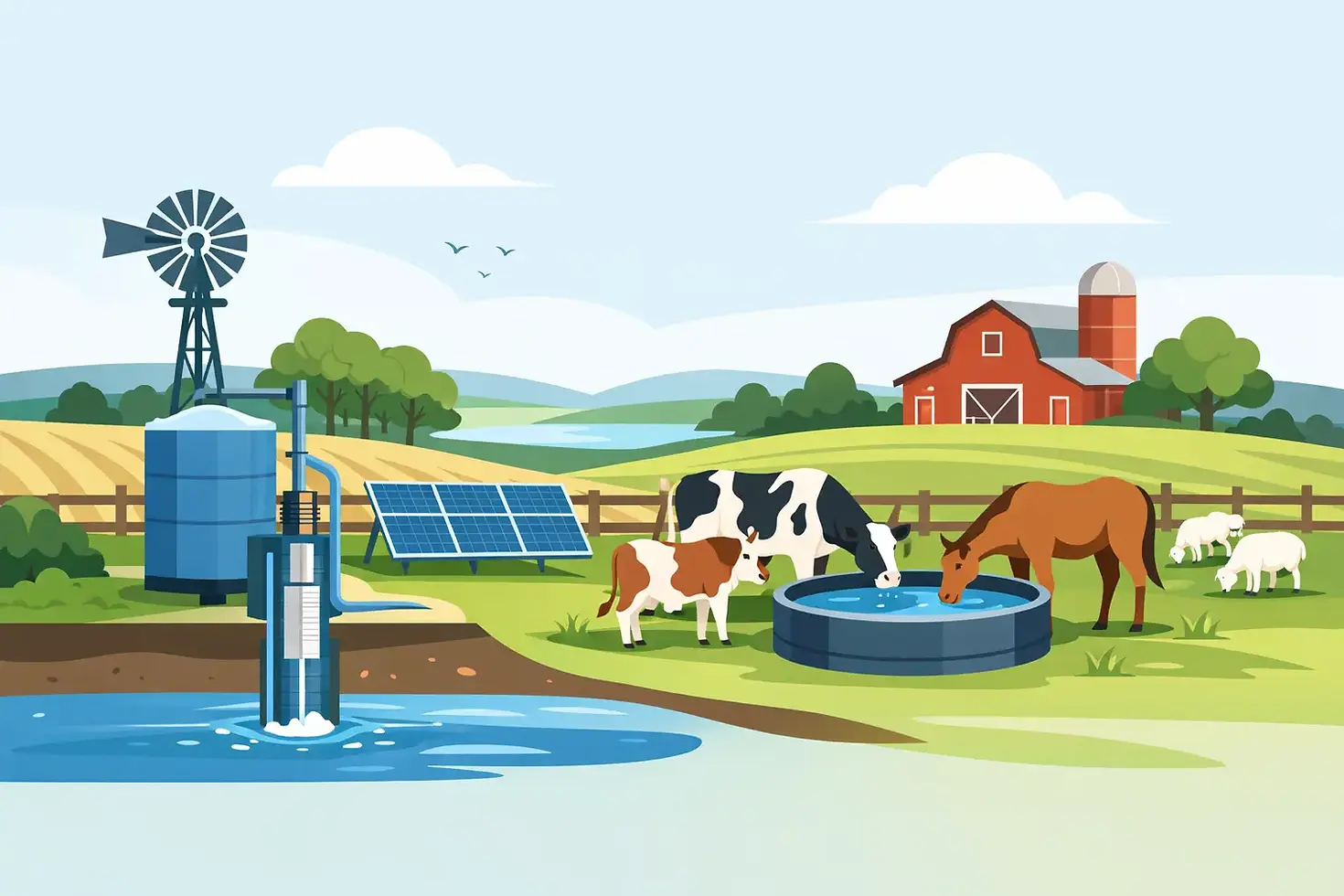
Livestock Well Water Solutions for Mississippi Farms
A thirsty herd can expose a weak water system fast. Livestock well water solutions are not just about drilling a hole and setting a pump. They require enough water for daily demand, equipment that can keep up during peak use, and water quality that supports the animals and the operation depending on it.
For farms around Brookhaven and throughout rural Mississippi, a dependable private well can provide long-term control over a critical resource. The right system starts with the property, the herd size, and a realistic plan for how water will be used now and as the operation grows.
Start With the Farm's Actual Water Demand
A well designed for a small household may not be capable of serving cattle, horses, poultry, washdown areas, and a home at the same time. The first question is not simply, "Can the well produce water?" It is whether it can produce enough water at the rate the farm needs it.
Daily consumption varies by species, weather, feed, age, and production stage. A mature beef cow may drink substantially more during a Mississippi summer than during a mild winter. Lactating animals, horses in active work, and livestock eating dry feed can all increase demand. Water used for cleaning equipment, filling spray tanks, cooling, or servicing multiple troughs must also be included in the calculation.
A practical system plan considers both total gallons per day and peak demand. Livestock often drink heavily after feeding or when temperatures rise. If several animals reach the trough at once, a pump that delivers adequate daily volume but poor flow may still leave the operation short when it matters most.
Plan for Growth, Not Just Today's Head Count
A system built exactly to current needs can become undersized quickly. Adding a pasture, increasing the herd, or installing another watering point may require more capacity than the original pump, pressure tank, or piping can provide.
When possible, plan for reasonable expansion from the start. That does not always mean buying the largest equipment available. It means selecting a well, pump, electrical service, pipe size, and storage approach that can be adapted without rebuilding the entire system later.
Well Yield Determines What the System Can Do
Well yield is the amount of water a well can produce over time, commonly measured in gallons per minute. A professional driller evaluates the formation producing the water and performs testing to understand how the well responds to sustained pumping.
A high-yield well can often supply livestock directly through a properly sized pump and distribution system. A lower-yield well may still serve a farm reliably when paired with storage. This is where many livestock well water solutions become more practical than a simple direct-pump setup.
Storage tanks allow a well to refill gradually while the farm draws water when animals need it. They can reduce strain on the pump, help cover peak demand, and provide a reserve during short interruptions. The tank must be sized around actual use and recharge rate. An undersized tank only postpones the same shortage.
For remote pasture watering, the distance from the well also matters. Long pipe runs create pressure loss, especially with small-diameter lines or elevation changes. A system that works well at the wellhead may deliver a slow trickle at a distant trough if the distribution line was not designed for the distance and flow required.
Water Quality Affects Herd Health and Equipment
Clear water is not always good livestock water. Groundwater can contain bacteria, sediment, iron, manganese, sulfur compounds, hardness minerals, or elevated levels of naturally occurring substances that deserve attention. These conditions can affect animal acceptance of the water, interfere with medications or nutrition programs, and damage pumps, valves, and watering equipment.
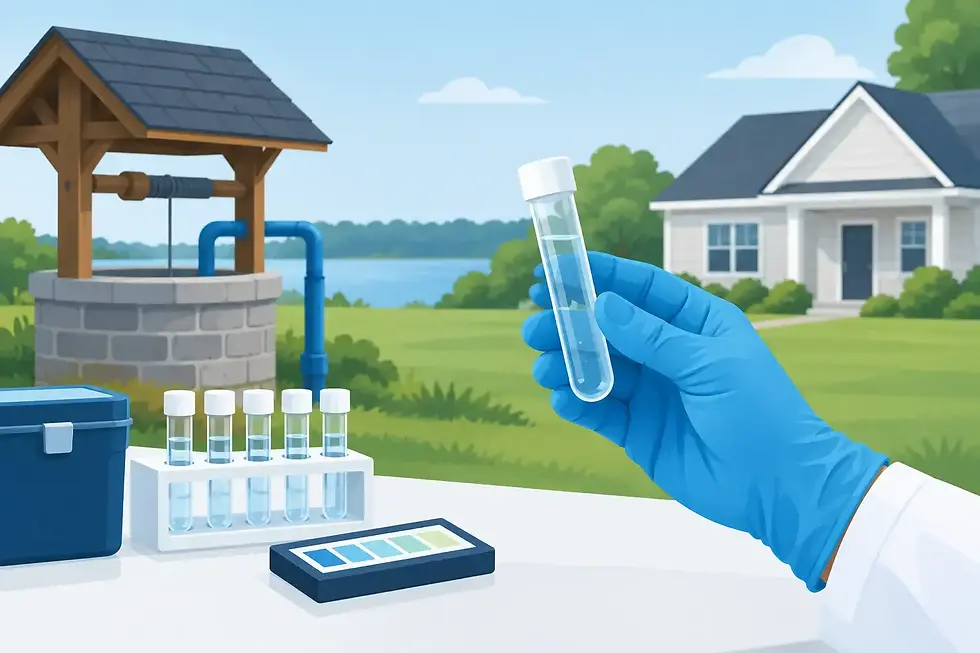
Testing is the starting point for any water-quality concern. A water test helps identify what is present and whether treatment is needed. It also prevents guesswork. Installing a filter without knowing the problem can add expense without solving the issue.
Common Well Water Concerns on Farms
Sediment can clog float valves, filters, and small openings in automatic waterers. Iron and manganese may stain fixtures, build up in lines, and create conditions that encourage nuisance bacteria. Sulfur odors can make water less appealing to animals and signal a need for closer evaluation.
Bacterial contamination requires prompt attention, particularly when the well is damaged, flooded, recently serviced, or located where surface water can enter the system. Proper well construction, a secure sanitary seal, and correct grading around the wellhead all help protect groundwater from contamination.
Treatment should match the test results. Depending on the water, the solution may involve sediment filtration, iron removal, disinfection, softening, or another properly selected treatment method. A farm does not need unnecessary equipment. It needs treatment that addresses the conditions found in its water supply.
Protect the Well From Surface Water and Damage
A livestock well should be located and constructed to reduce exposure to contamination and physical damage. The wellhead needs to remain above grade, protected from runoff, and accessible for inspection and service. It should not sit where livestock, vehicles, manure management, or standing water can create avoidable risk.
Fencing around the well area can keep animals away from electrical components, pressure controls, and plumbing. It also helps prevent accidental damage from rubbing, trampling, or equipment traffic. In active farm settings, a simple protective measure can prevent a costly emergency repair.
The site should also account for septic systems, barns, feed areas, fuel storage, and other potential contamination sources. Exact setbacks and requirements can vary by site and regulation, which is why local, certified drilling experience matters during planning.
Choose Equipment Built for Farm Use
The pump is the working heart of the system. Selecting one requires more than matching horsepower to the well depth. The pump must be sized for the well's yield, the pumping level, the required pressure, the distance to the watering points, and the amount of water needed during peak periods.
A properly sized pressure tank reduces frequent pump cycling. Too much cycling shortens pump life and can lead to avoidable service calls. For some operations, storage with booster pumping offers more consistent pressure across multiple troughs or buildings than relying on the well pump alone.
Automatic trough valves, freeze protection where needed, shutoff valves, and accessible cleanouts all make daily operation easier. In Mississippi, heat, storms, and heavy rainfall can be more pressing concerns than prolonged freezing, but exposed plumbing still needs protection from weather, sunlight, and accidental impact.
Backup planning is also worth considering. A power outage can stop a well immediately. The right backup option depends on the scale of the farm and how long animals can safely go without their normal supply. Some operations may need a generator connection, while others benefit most from stored water that can bridge a shorter outage.
Keep the System Maintained Before It Fails
A livestock water system is easy to overlook when it is working. Routine checks help catch minor problems before they become a dry trough, damaged pump, or interrupted farm day.
Watch for lower pressure, changes in water color or odor, air sputtering from faucets, frequent pump cycling, wet spots around lines, or a pump that runs longer than usual. These signs can point to a leak, pressure tank issue, pump problem, treatment concern, or declining well performance.
Troughs and filters need regular cleaning. Float valves should be checked for proper operation, and the wellhead should be inspected after major storms or any work near the water system. Periodic water testing is especially useful when water characteristics change or livestock seem reluctant to drink.
For new agricultural wells, repairs, pump service, or filtration recommendations, Deep South Well Drilling & Service provides certified, insured support for farms and landowners in the Brookhaven area. A dependable water source gives livestock consistent access to what they need and gives the owner one less critical problem to manage when the workday is already full.


Comments