Well Water Bacteria Treatment Options That Work
- Brian Emory
- Aug 4
- 5 min read
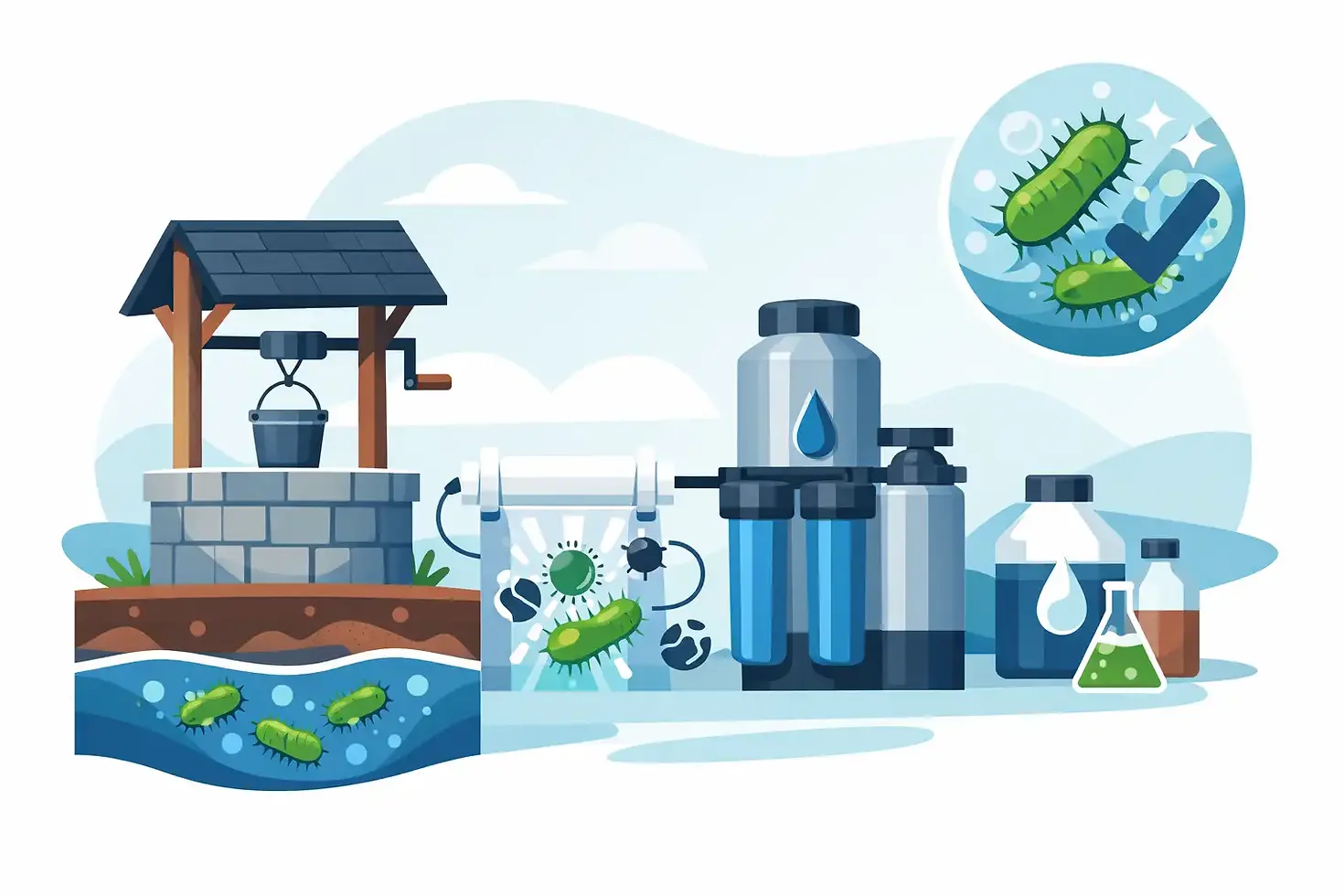
A private well can look and smell fine while bacteria are present in the water. That is why well water bacteria treatment options should begin with proper testing, not guesswork. For families, farms, and landowners in Mississippi, the right approach depends on what the test finds, how bacteria entered the system, and whether the issue is a one-time event or an ongoing condition.
Start With a Water Test and Well Inspection
Coliform bacteria are commonly used as an indicator that surface water, soil, insects, or animal waste may be reaching the well or plumbing system. Their presence does not automatically mean the water contains harmful bacteria, but it does mean the well needs attention. A separate test may identify E. coli, which calls for more immediate action and should be taken seriously.
Before choosing treatment equipment, collect a properly handled water sample and have it tested by a qualified laboratory. Sampling technique matters. A contaminated faucet aerator, an unclean sample bottle, or a sample that sits too long can lead to misleading results.
Testing should be paired with a practical inspection of the well. A damaged cap, loose casing seal, cracked well casing, standing water around the wellhead, or a recent flood can all create a path for bacteria. In some cases, the most effective treatment is not a device at all. It is repairing the well, improving drainage, and sealing the entry point.
Common Well Water Bacteria Treatment Options
The best solution depends on whether bacteria entered the well temporarily or whether conditions allow repeated contamination. These are the most common treatment methods used for private well systems.
Shock Chlorination for One-Time Contamination
Shock chlorination is often the first response after a positive bacteria test, well repair, flooding, installation of a new pump, or a long period of disuse. The process introduces a strong chlorine solution into the well and plumbing system, allowing enough contact time to disinfect the water pathway.
When done correctly, shock chlorination can kill many bacteria in the well, pump, pressure tank, and household plumbing. It is useful when contamination was caused by a specific event, such as a compromised well cap or work performed on the system.
However, shock chlorination is not a permanent answer if bacteria keep returning. Repeated positive tests usually mean there is an unresolved source of contamination, a structural issue, or a need for continuous disinfection. Using excessive chlorine or handling the process carelessly can also damage components, create strong odors, and discharge chlorinated water where it may harm vegetation or septic systems. A qualified well professional can help determine whether shock chlorination fits the situation and perform it safely.
Continuous Chlorination for Persistent Bacteria
Continuous chlorination feeds a controlled amount of chlorine into the water supply before it reaches the home, barn, or irrigation system. It is commonly used when bacterial contamination persists despite repairs and shock chlorination, or when the groundwater conditions make ongoing disinfection necessary.
A typical system includes a chemical feed pump, solution tank, retention or contact tank, and often a carbon filter to remove chlorine taste and odor before the water is used indoors. The retention time is critical. Chlorine needs enough time in the water to do its job before it is filtered out.
This method can provide dependable disinfection, but it requires regular attention. The chemical solution must be maintained, the feed rate must be checked, and water should be tested periodically to confirm the system is performing as intended. For agricultural properties, system sizing should account for peak demand, livestock needs, and any equipment that uses water throughout the day.
Ultraviolet Disinfection Systems
Ultraviolet, or UV, treatment uses a specialized lamp to expose water to UV light as it passes through a chamber. Properly sized UV equipment can inactivate bacteria without adding chemicals to the water. It is a strong option for households that want continuous protection without chlorine taste or chemical storage.
UV treatment has one major requirement: the water must be clear enough for the light to reach microorganisms. Sediment, cloudy water, iron, manganese, and hardness can reduce its effectiveness or coat the quartz sleeve around the lamp. For that reason, a UV system often needs sediment filtration and, depending on water quality, additional pretreatment.
The lamp must also be replaced on schedule, even if it still appears to be glowing. UV lamps lose disinfection strength over time. A UV unit is not a fix for a damaged well casing or an open wellhead, but it can be an effective final barrier after the well and filtration system are in good condition.
Ozone and Other Advanced Treatment Methods
Ozone can disinfect water and oxidize certain contaminants, but these systems are more complex and are not the first choice for every home. They require proper design, contact time, and maintenance. In many residential well applications, shock chlorination, continuous chlorination, or UV treatment is more straightforward and easier to service.
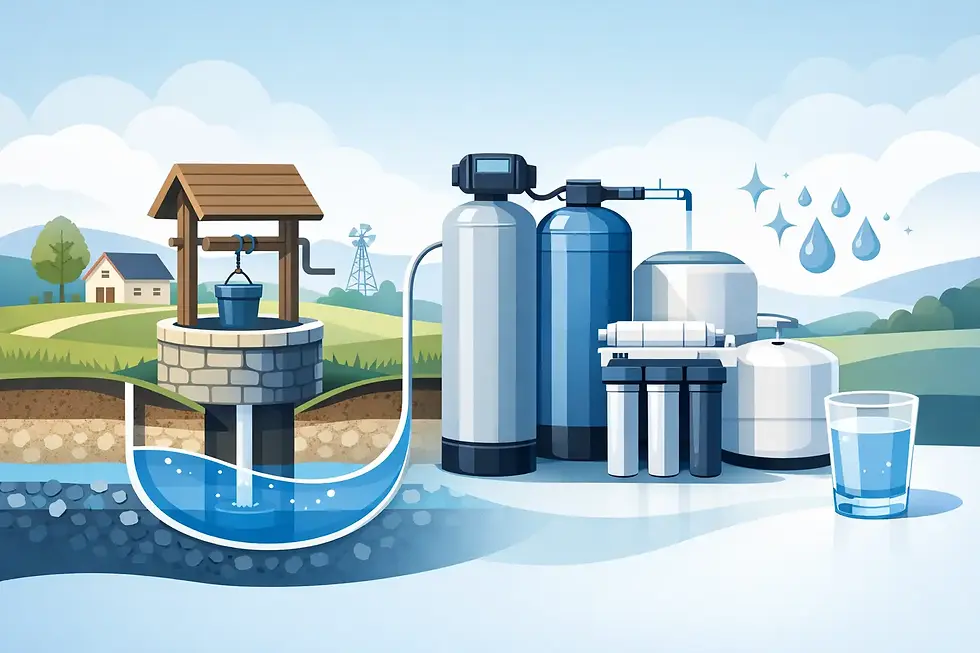
Other filtration equipment may be needed alongside bacteria treatment. Sediment filters protect pumps, valves, and UV equipment. Iron or manganese filters can improve water clarity and prevent staining. Carbon filtration can remove chlorine residual after continuous chlorination. The key is to build the system around the actual water test, not install a one-size-fits-all filter.
Fix the Cause Before Relying on Equipment
Treatment systems protect the water, but they should not hide a preventable well problem. A properly maintained wellhead is the first line of defense against bacteria.
The well casing should extend above grade, and the ground around it should slope away so rainwater does not collect near the opening. The cap should be sanitary, secure, and screened where appropriate to keep out insects and small animals. Keep manure piles, fuel, chemicals, and other possible contaminants well away from the well area. If the property has a septic system, drainage patterns and setbacks deserve careful review.
After heavy rain, flooding, or storm damage, inspect the wellhead before assuming the water is safe. If floodwater reached the well or the casing was submerged, stop using the water for drinking and food preparation until the well has been inspected, disinfected if needed, and tested. Boiling water can address bacteria for short-term drinking needs, but it does not correct the well itself and does not remove all possible contaminants.
How to Choose the Right Treatment Approach
A single positive coliform result after a repair may be addressed with inspection, shock chlorination, and a follow-up test. Repeated coliform results, E. coli, or contamination following wet weather calls for a closer look at the well construction, surface drainage, and possible contamination sources.
For a home with otherwise clear water and no recurring well defects, UV treatment may provide practical ongoing protection. For a farm or property with recurring bacteria and high water demand, continuous chlorination with properly sized contact and filtration equipment may be the better fit. If sediment, iron, or hardness is present, pretreatment becomes part of the plan rather than an optional add-on.
Deep South Well Drilling & Service can evaluate the well condition, discuss test results, and help property owners choose treatment that fits their water supply and day-to-day needs. The goal is not simply to make a test result look better. It is to provide a dependable water system that is properly protected, serviceable, and built for the property.
A follow-up water test is the step that confirms whether treatment worked. Keep those results with your well records, test again after major repairs or flooding, and address small wellhead problems before they become a recurring water-quality issue. Clean, dependable well water starts with a system that is maintained as carefully as it was installed.


Comments